
Fence safety is one of the most important things to consider when choosing a fence for your home. A fence can help create a safer outdoor space for children, pets, guests, and everyday use, but the right design depends on how your property is used.
For Colorado homeowners, a fence may need to support privacy, security, pet containment, backyard play, pool safety, gate access, and long-term durability. The original Boundary Fence article highlights several important safety elements, including fence height, material, spacing, visibility, gate security, lighting, pool safety, and pet-proof fencing.
At Boundary Fence, we help homeowners choose fencing that supports both safety and everyday function.
Why Fence Safety Matters
A residential fence does more than define a property line. It can create a controlled outdoor area where kids can play, dogs can spend time outside, and homeowners can enjoy more peace of mind.
Strong fence safety planning can help reduce risks related to open yards, unsecured gates, nearby streets, pool areas, pets escaping, and unwanted access. The best fence design should match your property layout, daily use, and any local requirements that apply to your home.
Choose the Right Fence Height
Fence height is one of the first safety decisions to make. A taller fence can provide more privacy and can also help discourage unauthorized access. It may also be helpful for homes with larger dogs or yards that border busy streets.
However, fence height is not just a preference. Local code, HOA rules, and neighborhood guidelines may limit what you can install. Before choosing a final design, it is important to confirm what is allowed for your property.
A professional fence contractor can help you compare safe height options while keeping your project aligned with applicable guidelines.
Pay Attention to Gaps and Spacing
Spacing is a major part of fence safety, especially for homes with small children or pets. Large openings between pickets, rails, or panels can create risks if a child or animal can squeeze through, get stuck, or access an unsafe area.
For homes with small dogs, tighter spacing or an added wire backing may be helpful. Around play areas, gates, pools, and nearby streets, fence openings should be considered carefully.
The right spacing depends on the fence style, the size of your pets, and the purpose of the enclosure.
Make Gates Secure and Easy to Use
A fence is only as safe as its gate. If a gate does not latch correctly, swings open too easily, drags on the ground, or has weak hardware, it can create safety concerns.
For better fence safety, gates should be:
- Easy for adults to operate
- Securely latched
- Properly aligned
- Built with durable hardware
- Placed where access makes sense
- Checked regularly for wear or movement
Self-closing or self-latching gate options may be helpful in certain areas, especially near pools, driveways, or streets.
Think About Pet Safety
Pet safety should be planned into the fence design from the beginning. Dogs can dig, jump, squeeze through gaps, or push against weak fence sections. Different breeds and sizes may require different fence solutions.
For pet-friendly fencing, consider your dog’s height, behavior, strength, and outdoor habits. Smaller dogs may need tighter spacing near the bottom of the fence. Larger or more athletic dogs may need a taller fence. Dogs that dig may need additional planning along the fence base.
A pet-safe fence should also include secure gates, strong posts, and a layout that keeps pets away from hazards like driveways, alleys, and busy roads.
Balance Privacy With Visibility
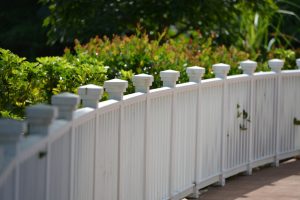
Privacy can be important, but visibility also plays a role in safety. A fully solid fence can create a secluded yard, while a more open design may allow better visibility around the property.
Some homeowners want full backyard privacy, while others prefer partial visibility near front yards, side yards, or areas where neighborhood awareness matters.
For example, a solid privacy fence may work best around a backyard patio, while ornamental iron or another open fence style may be better for areas where visibility and curb appeal are priorities.
Consider Lighting Around Fence Lines and Gates
Lighting can improve safety and usability, especially near gates, walkways, driveways, and backyard access points. A dark fence line can make it harder to see obstacles, latch gates, or notice movement at night.
Good lighting can help outdoor spaces feel more comfortable after sunset. It can also improve visibility around entry points and make the property feel more secure.
Lighting does not need to be excessive. Even simple, well-placed lighting near gates or paths can make a difference.
Plan Carefully Around Pools and Hazard Areas
If your property has a pool, hot tub, pond, steep slope, retaining wall, or another hazard, fence safety becomes even more important. Pool fencing may need to meet specific local safety requirements related to height, gate hardware, latch placement, and spacing.
Never assume a general backyard fence is enough for a pool area. A fence near water or another hazard should be designed with the correct safety standards in mind.
Boundary Fence can help homeowners understand their options and choose a fence style that supports safer property use.
Choose Durable Materials for Long-Term Safety
Fence safety is not only about the day the fence is installed. The fence should stay strong and functional over time.
Wood, vinyl, chain link, ornamental iron, and other fence materials each offer different benefits. The right material depends on your priorities, including privacy, pets, maintenance, appearance, and budget.
No matter which material you choose, proper installation matters. Stable posts, quality hardware, secure gates, and strong panels all help the fence perform better over time.
Inspect Your Fence Regularly
A safe fence should be inspected regularly. Over time, weather, movement, pets, and daily use can affect gates, posts, panels, and hardware.
Homeowners should check for loose boards, damaged sections, leaning posts, rust, sharp edges, broken latches, and gaps near the ground. Small repairs are often easier and more affordable when they are handled early.
This is especially important for homes where children or pets use the yard often.
Work With Boundary Fence for Safer Residential Fencing
The right fence safety plan can help make your yard more secure, functional, and enjoyable. By considering height, spacing, gates, pets, visibility, lighting, pool areas, materials, and maintenance, you can choose a fence that fits the way your property is used.
Boundary Fence provides professional residential, commercial, and industrial fencing solutions throughout Denver and the Front Range. Whether you need a backyard fence, pet-friendly enclosure, privacy fence, security fence, or custom gate, our team can help you choose the right option for your property.
Contact Boundary Fence today to request a free estimate for residential fence installation in Colorado.