
Understanding fence regulations in Colorado is an important first step before installing, replacing, or repairing. Whether you own a home, business, rental property, or commercial site, local rules can affect fence height, placement, materials, permits, and property line requirements. Reviewing these details before installation can help prevent delays, extra costs, neighbor disputes, or compliance issues.
At Boundary Fence and Supply Company, we help customers throughout the Denver area plan residential, commercial, and industrial fence projects. While exact requirements can vary by city, county, neighborhood, and property type, there are several common areas property owners should understand before getting started.
Why Rules Matter
Regulations are designed to keep properties safe, accessible, and consistent with local zoning standards. A fence can affect visibility near streets and driveways, access to sidewalks, drainage, easements, utilities, and neighboring properties. Even a simple backyard fence may need to follow specific rules depending on where it is placed.
Because fence regulations in Colorado are often handled at the local level, the rules in one community may not match the rules in another. A fence that works for one property may need adjustments on another, especially if the site is located on a corner lot, near an alley, or within a homeowners association.
Common Requirements to Review
Before starting a fence project, property owners should check the requirements that apply to their specific address. Since fence regulations in Colorado can vary by city, county, neighborhood, and HOA, local zoning offices, building departments, and community guidelines may all affect the final design.
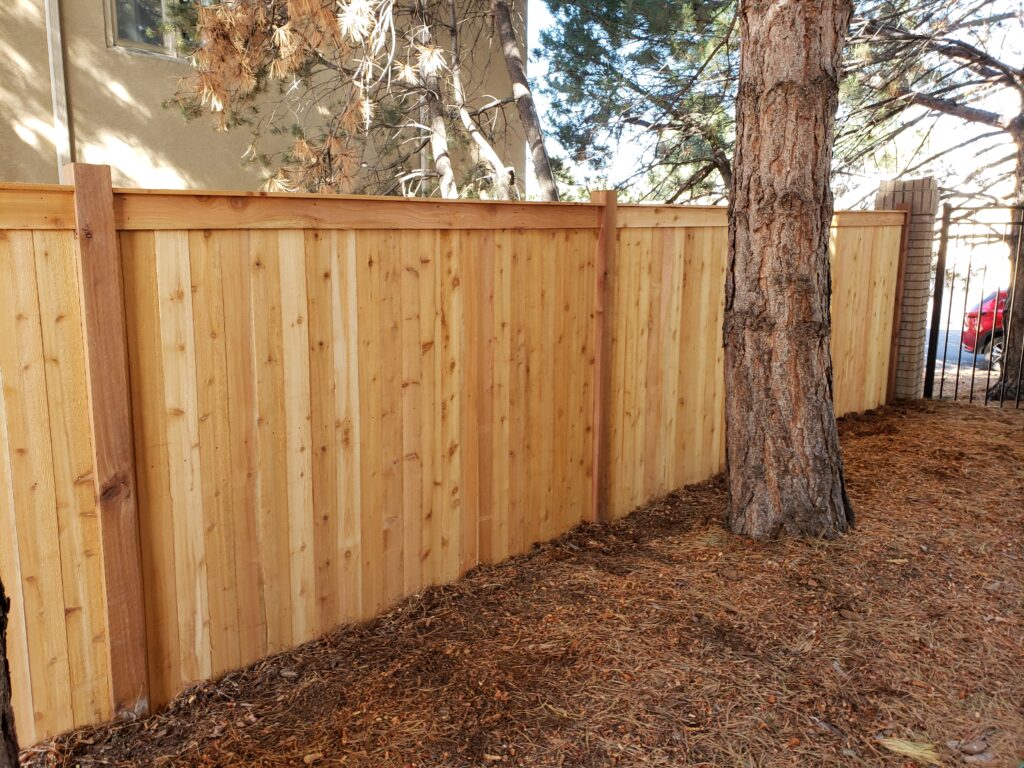
Important items to review include:
- Height: Front yard, side yard, and backyard fences may have different height limits.
- Setbacks: Some areas require them to be placed away from sidewalks, streets, or property lines.
- Materials: Certain neighborhoods or districts may restrict specific materials or styles.
- Visibility: Corner lots and driveways may have sightline rules for traffic and pedestrian safety.
- Permits: Some projects may require approval before installation begins.
Checking these details early can make the planning process smoother and help ensure the fence is designed correctly from the start.
Property Lines and Neighbor Considerations
One of the most important parts of understanding fence regulations in Colorado is knowing where your property lines are. Installing a fence too close to or over a property line can create disagreements with neighbors and may require changes later.
If the property line is unclear, it may be helpful to review a survey or contact a professional surveyor before installation. This is especially important for older properties, shared boundaries, alley access, or lots where an existing fence may not follow the legal boundary.
Good communication can also help. If the installation will happen along a shared property line, letting neighbors know about the project ahead of time can reduce confusion and keep the process more cooperative.
HOA and Community Guidelines
For homeowners in managed communities, HOA rules can be just as important as city or county requirements. An HOA may have guidelines for fence height, color, material, style, gate placement, and overall appearance. Some associations require written approval before any work begins.
Because fence regulations in Colorado can include both municipal rules and HOA standards, property owners should review both before choosing materials or scheduling installation. A fence may meet local code but still need HOA approval before it can be built.
Why Working With a Fence Professional Helps
The best fence projects begin with clear information. Before installing a new fence, review local requirements, check HOA guidelines if they apply, confirm property lines, and think carefully about how the fence will be used. Understanding fence regulations in Colorado can help you avoid problems and move forward with more confidence.
We have served the Denver area since 1973 with fence installation, material sales, repairs, and custom fencing options. Our team can help homeowners and business owners plan fences that are practical, attractive, and appropriate for the property.