Category: blog

  • Fencing for Schools: Choosing the Right Materials for Safer Campuses

    Fencing for Schools: Choosing the Right Materials for Safer Campuses

    Fencing for schools plays an important role in defining boundaries, managing access, protecting outdoor spaces, and supporting safety. From elementary schools and high schools to charter schools, private schools, and colleges, each property has different security, traffic, and supervision needs.

    Fencing can help direct students and visitors toward designated entrances, separate pedestrian areas from vehicle traffic, and create clear boundaries around playgrounds, athletic fields, parking areas, and other outdoor spaces. The right fence should support these everyday functions while improving security without making the campus feel closed off or unwelcoming.

    Start With How the School Property Is Used

    Before selecting a material, administrators and facility teams should look at how students, staff, visitors, vehicles and service crews move through the property. The U.S. Department of Education’s school safety resources also emphasize planning for safe learning environments and physical security as part of broader school safety efforts. Fencing for schools may be needed around a full perimeter or around specific areas such as playgrounds, athletic fields, parking lots and storage areas.

    A useful planning process should consider:

    • Where students enter and leave the property
    • Which areas need controlled access
    • Where visibility is important for supervision
    • How vehicles and pedestrians move during arrival and dismissal
    • Whether certain areas need additional privacy or screening
    fencing for schools

    Chain Link for Flexible, Visible Boundaries

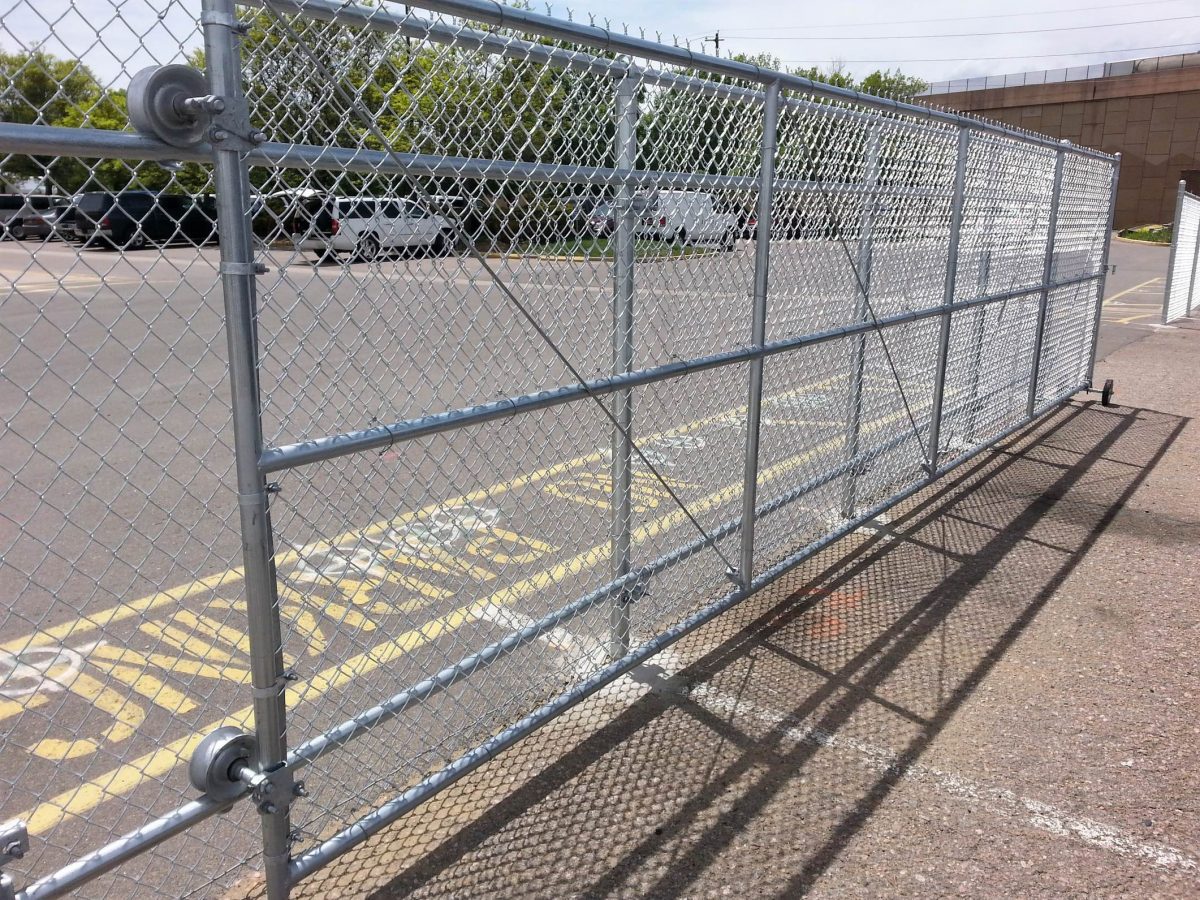
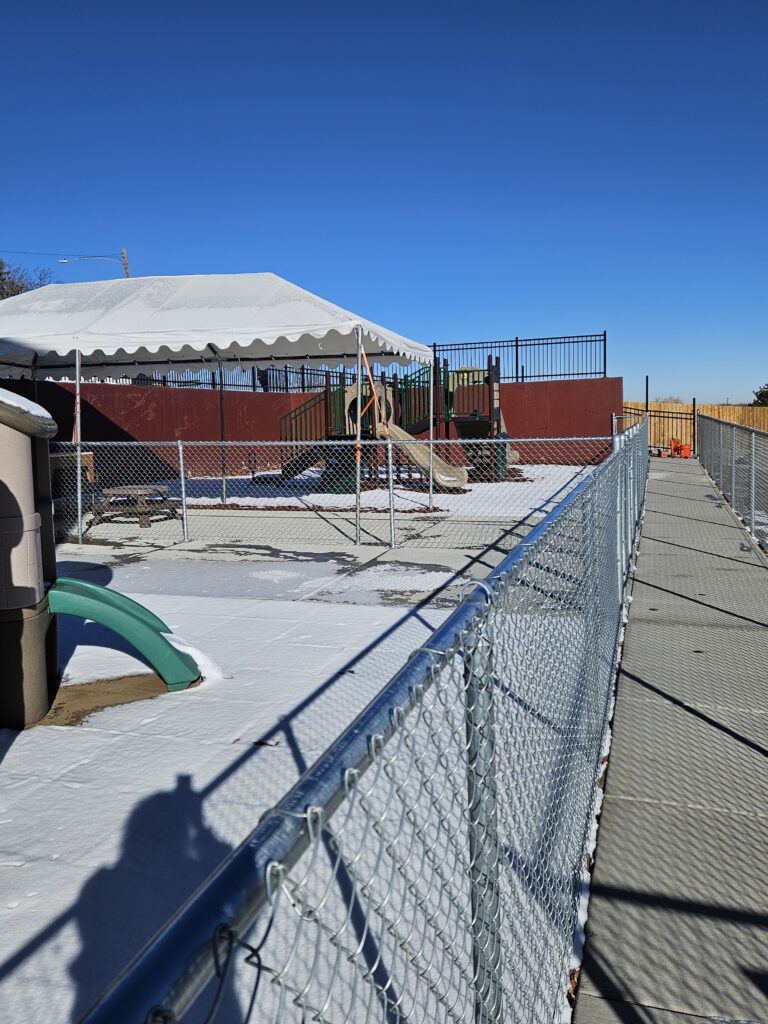
    Galvanized chain link is one of the commercial fencing options we offer, and it can be a practical choice for school properties. It creates a clear physical boundary while maintaining visibility through the fence.

    For fencing for schools, chain link can work well around athletic fields, playgrounds, service areas, parking areas, and perimeter sections. At Boundary, we also offer vinyl-coated chain link fabric in black, brown, and green, along with powder-coated posts where a more finished appearance is preferred.

    Ornamental Steel for Security and Appearance

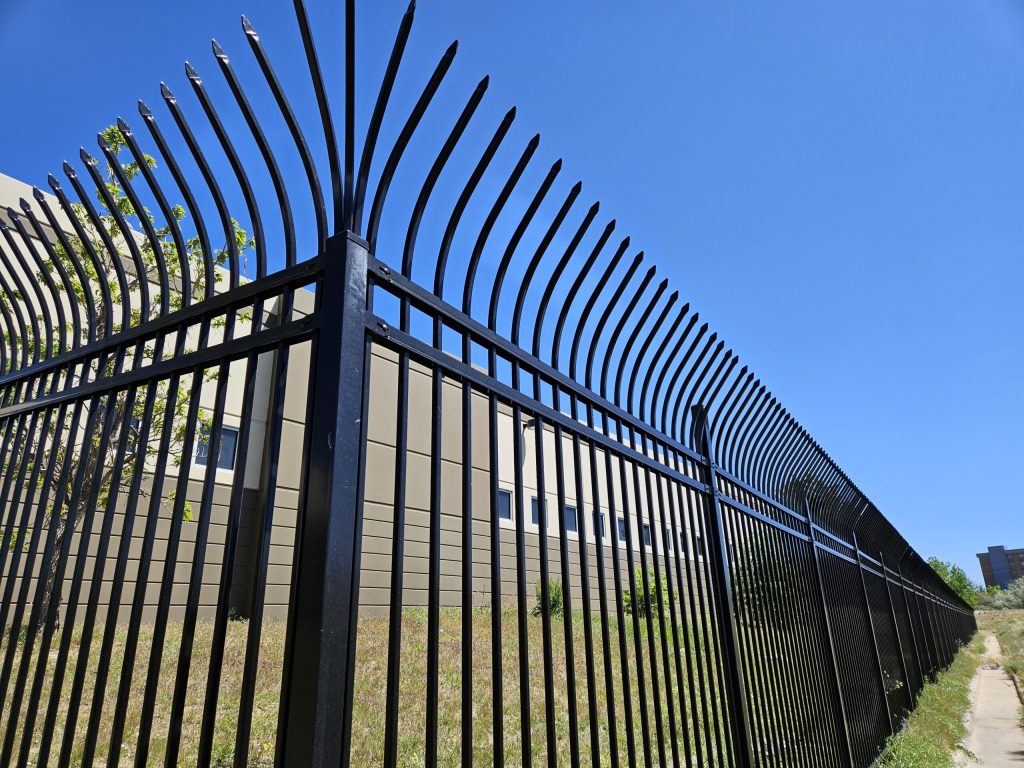
    Some parts of a campus need a fence that provides security while complementing the building and entrance. We offer Ameristar ornamental steel security fencing as a commercial option.

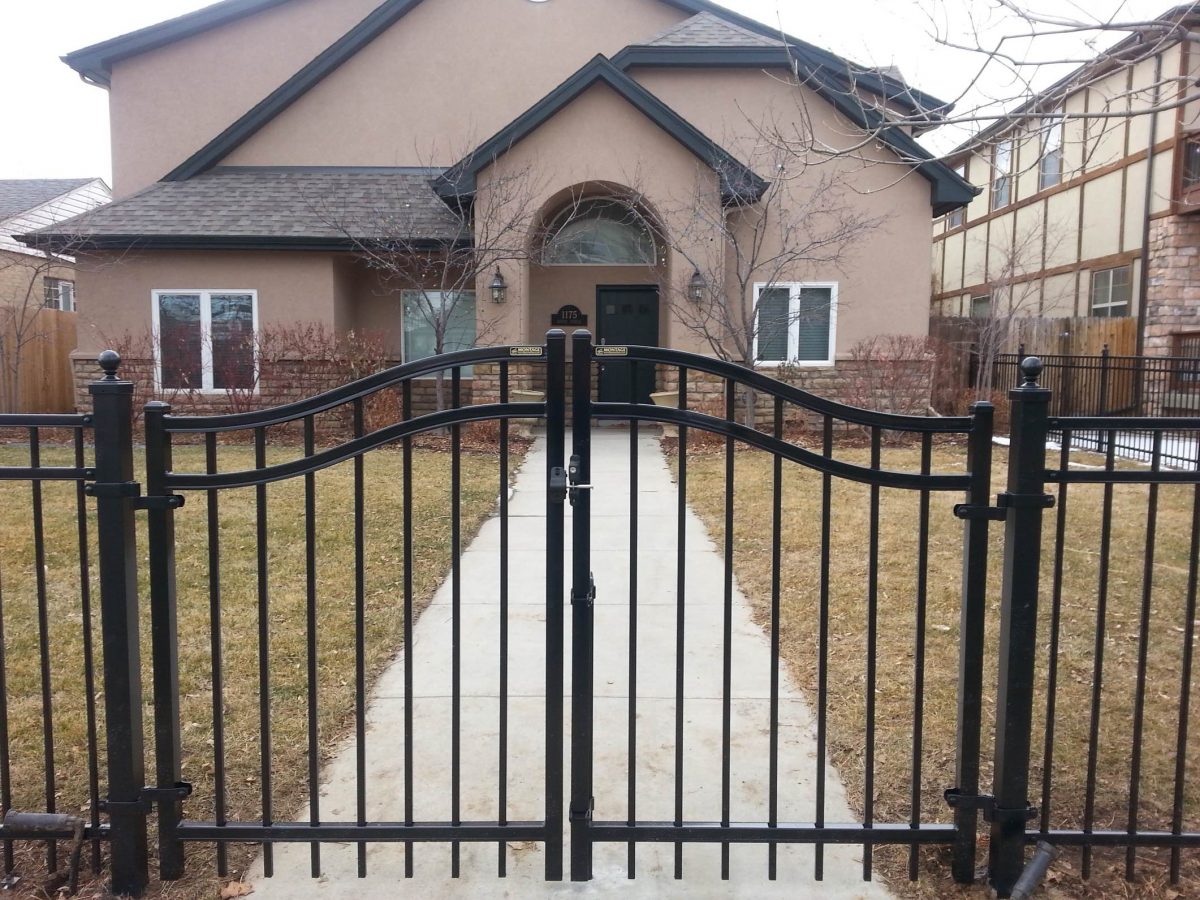
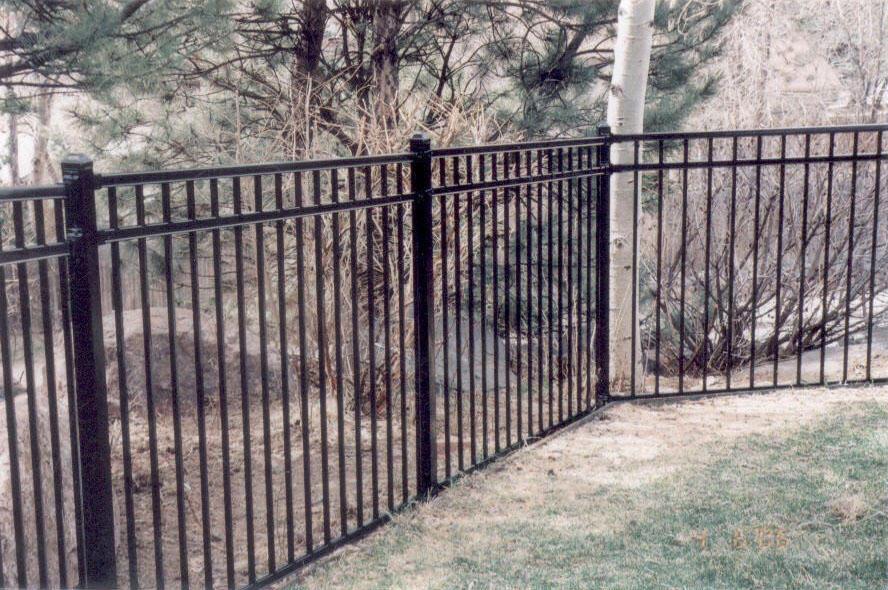
    Ornamental steel can be useful near main entrances, administrative buildings, and front-facing property lines. When planning fencing for schools, this option can create a defined boundary without completely blocking sightlines.

    Using more than one fence type can also make sense. A school might choose ornamental steel near the main entrance and chain link around athletic or service areas.

    Add Privacy Where the Campus Needs It

    fencing for schools privacy slat

    Dumpster areas, utility zones, equipment storage, and other service spaces may benefit from additional screening.

    We offer vinyl privacy slats that can be added to chain link fencing in multiple colors and heights. The company also offers privacy screening fabrics in different colors and densities. With fencing for schools, these products can visually separate selected areas without requiring an entirely different fence system.

    Because slats and screening increase wind resistance, we recommend consulting a chain link professional to make sure the fence is properly anchored and has an appropriate framework.

    Plan Gates Around Daily Access

    A school fence is only as functional as its access points. We offer custom gates for commercial properties, so gate planning matters.

    Depending on the campus, gates may need to accommodate:

    1. Students and pedestrians
    2. Staff and visitor vehicles
    3. Deliveries and maintenance crews
    4. Athletic field access
    5. Emergency or service access

    Fencing for schools should guide people toward appropriate entrances while allowing the property to function efficiently. Gate size, placement, hardware, and traffic flow should all be considered before installation.

    Choose Materials for Each Area of the Campus

    There is no single material that is right for every educational property. Effective fencing may combine chain link, ornamental steel, privacy slats, screening, and custom gates based on how different areas are used.

    At Boundary Fence & Supply Company, we provide commercial fencing in the Denver area, including fencing for schools, baseball fields, tennis courts, storage areas, security applications, and other facilities. By matching materials to the campus layout, access needs, visibility goals, and budget, schools can create boundaries that support both safety and everyday function.
  • Cedar Fence Maintenance Tips for Colorado Homeowners

    Cedar Fence Maintenance Tips for Colorado Homeowners

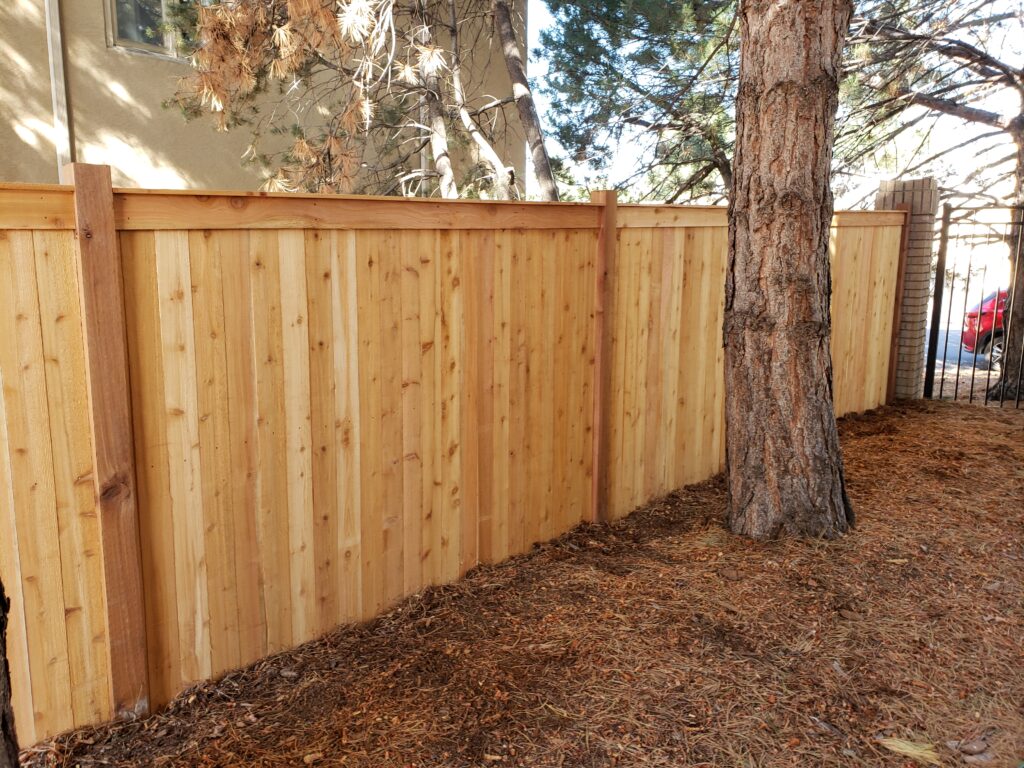
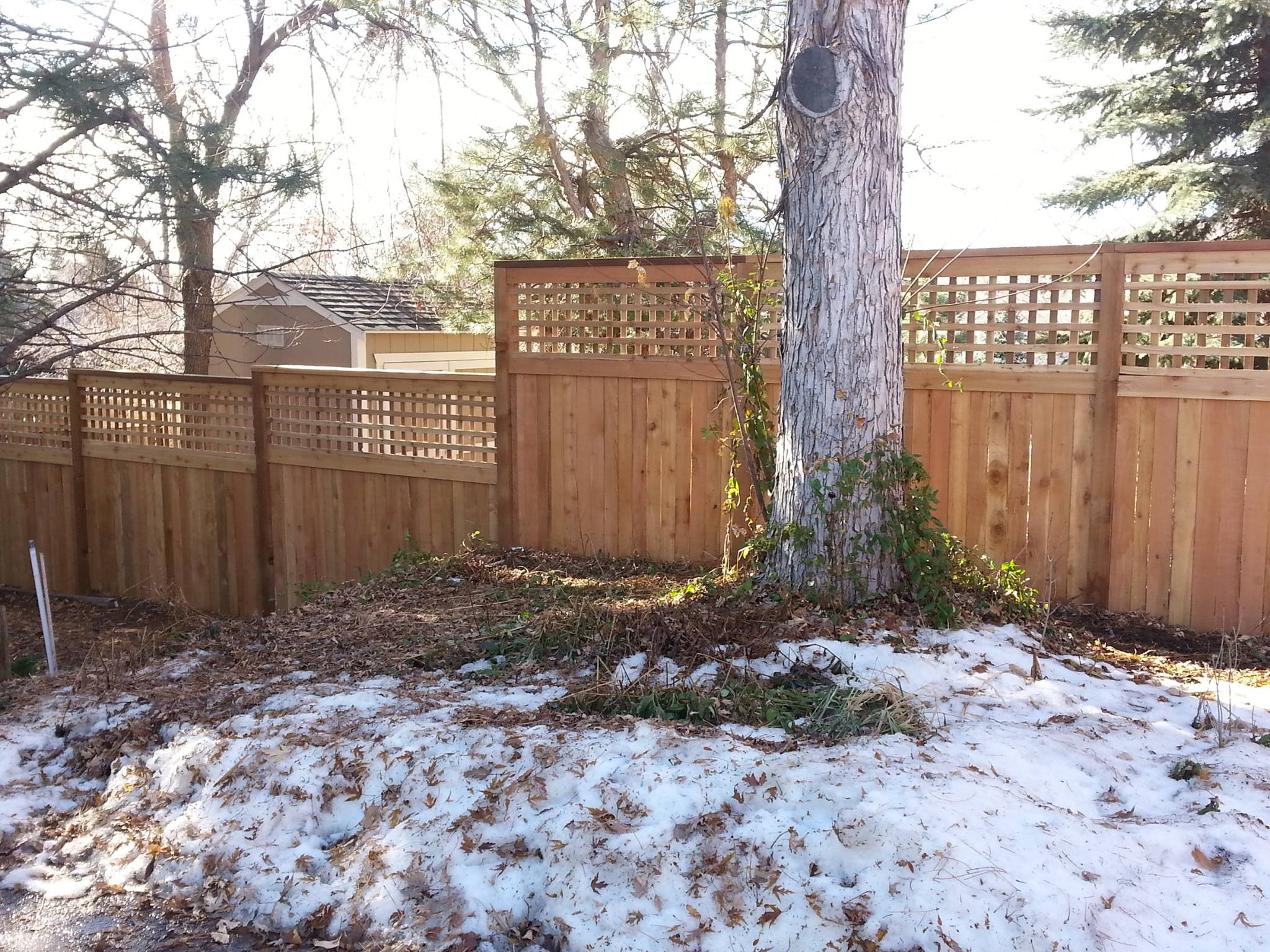
    A cedar fence adds privacy, structure, and a warm natural look, but Colorado weather still puts wood through stress. From strong sun and dry conditions to snow and moisture, regular cedar fence maintenance can help preserve its appearance and catch small problems before they become larger repairs. At Boundary Fence & Supply Company, we use #1 grade Western Red Cedar for residential wood privacy fences because it has proven more weather-resistant in Colorado than pine or fir.

    Why Western Red Cedar Works Well in Colorado

    The type of wood matters when choosing a fence for Colorado conditions. We offer Western Red Cedar in several privacy-fence styles and notes that cedar is both attractive and cost-effective for defining property boundaries.

    Cedar is naturally more resistant to decay than many common softwoods. That does not make it maintenance-free, though. Good cedar fence maintenance focuses on limiting excess moisture, checking for damage, and protecting the wood as it ages.

    Inspect Throughout the Year

    A quick visual inspection can reveal problems early. Walk the fence line and look for signs of wear before they become more difficult to repair.

    cedar fence maintenance
    You can prepare your wood fence and waterproof it before winter strikes.

    Pay attention to:

    • Loose, cracked, or damaged pickets
    • Leaning sections or unstable posts
    • Gate hinges or hardware that feel loose
    • Plants growing directly against the fence
    • Leaves, soil, or debris collecting around the base

    Keeping organic material away from the bottom of the fence is a simple part of cedar fence maintenance because leaves and debris can hold moisture against the wood.

    Keep Excess Moisture Away From the Wood

    Cedar handles outdoor conditions well, but repeated moisture exposure can still shorten a fence’s useful life. Avoid having sprinklers constantly spray the same boards or posts, and do not pile soil or mulch directly against the wood.

    After storms or snowmelt, check areas where drainage is poor. You do not need to keep a fence completely dry, but reducing prolonged wet conditions can help limit decay and unnecessary wear.

    Stain or Seal When Needed

    A finish can help protect wood from moisture and weathering while slowing the color changes that naturally occur outdoors. How often a fence needs staining or sealing depends on the product, sun exposure, weather, and condition of the existing finish.

    As part of cedar fence maintenance, watch for:

    • Fading or uneven color
    • Worn or peeling finish
    • Areas that absorb water more quickly than surrounding boards
    • Exposed wood where the previous coating has worn away

    Always follow the stain or sealant manufacturer’s preparation and application instructions rather than assuming every product should be applied the same way.

    How Long Should a Cedar Fence Last?

    There is no single lifespan that applies to every cedar fence. Installation quality, moisture exposure, soil contact, maintenance, and local conditions all make a difference.

    According to Hunker’s guide to cedar fence lifespan, untreated cedar fencing can last around 15 to 30 years, depending on the type of cedar and how well it is maintained. A well-installed fence that receives consistent cedar fence maintenance may remain useful for many years, while standing moisture or neglected damage can shorten its life.

    Appearance alone is not necessarily a sign of structural failure. Cedar naturally changes color as it weathers, so a gray surface does not automatically mean it needs replacement.

    Protect Your Fence From Everyday Damage

    Weather is only one source of wear. Lawn equipment, overgrown shrubs, climbing plants, and repeated impact can also damage boards or finishes.

    Trim vegetation away from the fence, avoid striking posts with mowers or trimmers, and repair loose components before movement causes more damage. These cedar fence maintenance habits can help the entire fence stay stable and attractive.

    Start With Quality Cedar and Proper Installation

    Maintenance is easier when a fence begins with quality materials and proper installation. At Boundary Fence & Supply Company, we install residential fencing in the Denver metro area and offers multiple styles of #1 grade Western Red Cedar privacy fencing.

    We also sell fencing materials for contractors and do-it-yourself projects. Whether you are maintaining an existing fence or planning a new one, choosing suitable materials and following practical cedar fence maintenance can help protect your investment and keep your property looking its best.

  • Fence Safety Tips for Colorado Homes

    Fence Safety Tips for Colorado Homes

    Fence safety is one of the most important things to consider when choosing one for your home. It can help create a safer outdoor space for children, pets, guests, and everyday use, but the right design depends on how your property is used.

    For Colorado homeowners, a fence may need to support privacy, security, pet containment, backyard play, pool safety, gate access, and long-term durability. At Boundary Fence, we help homeowners choose fencing that supports both safety and everyday function.
    Why Fence Safety Matters

    A residential fence does more than define a property line. It can create a controlled outdoor area where kids can play, dogs can spend time outside, and homeowners can enjoy more peace of mind.

    Strong fence safety planning can help reduce risks related to open yards, unsecured gates, nearby streets, pool areas, pets escaping, and unwanted access. The best design should match your property layout, daily use, and any local requirements that apply to your home.

    Choose the Right Height

    Height is one of the first fence safety decisions to make. A taller fence can provide more privacy and can also help discourage unauthorized access. It may also be helpful for homes with larger dogs or yards that border busy streets.

    However, height is not just a preference. Local code, HOA rules, and neighborhood guidelines may limit what you can install. Before choosing a final design, it is important to confirm what is allowed for your property.

    A professional contractor can help you compare safe height options while keeping your project aligned with applicable guidelines.

    Pay Attention to Gaps and Spacing

    Spacing is a major part of fence safety, especially for homes with small children or pets. Large openings between pickets, rails, or panels can create risks if a child or animal can squeeze through, get stuck, or access an unsafe area.

    For homes with small dogs, tighter spacing or an added wire backing may be helpful. Around play areas, gates, pools, and nearby streets, fence openings should be considered carefully.

    The right spacing depends on the fence style, the size of your pets, and the purpose of the enclosure.

    Make Gates Secure and Easy to Use

    A fence is only as safe as its gate. If a gate does not latch correctly, swings open too easily, drags on the ground, or has weak hardware, it can create safety concerns.

    For better fence safety, gates should be:

    • Easy for adults to operate
    • Securely latched
    • Properly aligned
    • Built with durable hardware
    • Placed where access makes sense
    • Checked regularly for wear or movement

    Self-closing or self-latching gate options may be helpful in certain areas, especially near pools, driveways, or streets.

    Think About Pets

    Pet safety should be planned into the design from the beginning. Dogs can dig, jump, squeeze through gaps, or push against weak sections. Different breeds and sizes may require different solutions.

    For pet-friendly fencing, consider your dog’s height, behavior, strength, and outdoor habits. Smaller dogs may need tighter spacing near the bottom of the fence. Larger or more athletic dogs may need a taller structure. Dogs that dig may need additional planning along the base.

    Balance Privacy With Visibility

    fence safety

    Privacy can be important, but visibility also plays a role in safety. A fully solid fence can create a secluded yard, while a more open design may allow better visibility around the property.

    Some homeowners want full backyard privacy, while others prefer partial visibility near front yards, side yards, or areas where neighborhood awareness matters.

    For example, a solid privacy fence may work best around a backyard patio, while ornamental iron or another open style may be better for areas where visibility and curb appeal are priorities.

    Consider Lighting Around Lines and Gates

    Lighting can improve fence safety and usability, especially near gates, walkways, driveways, and backyard access points. A dark fence line can make it harder to see obstacles, latch gates, or notice movement at night.

    Good lighting can help outdoor spaces feel more comfortable after sunset. It can also improve visibility around entry points and make the property feel more secure.

    Lighting does not need to be excessive. Even simple, well-placed lighting near gates or paths can make a difference.

    Plan Carefully Around Pools and Hazard Areas

    If your property has a pool, hot tub, pond, steep slope, retaining wall, or another hazard, fence safety becomes even more important. Pool fencing may need to meet specific local safety requirements related to height, gate hardware, latch placement, and spacing.

    Never assume a general backyard fence is enough for a pool area. A fence near water or another hazard should be designed with the correct safety standards in mind.

    We can help homeowners understand their options and choose a style that supports fence safety.

    Choose Durable Materials for Long-Term Safety

    Fence safety is not only about the day it is installed. It should stay strong and functional over time.

    Wood, vinyl, chain link, ornamental iron, and other materials each offer different benefits. The right material depends on your priorities, including privacy, pets, maintenance, appearance, and budget.

    No matter which material you choose, proper installation matters. Stable posts, quality hardware, secure gates, and strong panels all help better performance over time.

    Inspect Regularly

    A safe fence should be inspected regularly. Over time, weather, movement, pets, and daily use can affect gates, posts, panels, and hardware.

    Homeowners should check for loose boards, damaged sections, leaning posts, rust, sharp edges, broken latches, and gaps near the ground. Small repairs are often easier and more affordable when they are handled early.

    This is especially important for homes where children or pets use the yard often.

    Work With Boundary for Safer Residential Fencing

    The right fence safety plan can help make your yard more secure, functional, and enjoyable. By considering height, spacing, gates, pets, visibility, lighting, pool areas, materials, and maintenance, you can choose a fence that fits the way your property is used.

    At Boundary Fence, we provide professional residential, commercial, and industrial fencing solutions throughout Denver and the Front Range. Whether you need a backyard, pet-friendly enclosure, privacy, security fence, or custom gate, our team can help you choose the right option for your property.

    Contact us today to request a free estimate for residential fence installation in Colorado.

  • Learn How To Properly Care For Wrought Iron Fences

    Learn How To Properly Care For Wrought Iron Fences

    A wrought iron fence can add timeless style, structure, and security to a property. Today, many fences that have the traditional look of wrought iron are actually made from modern ornamental steel. At Boundary Fence & Supply Company, we offer Ameristar ornamental steel fencing, providing a durable option with classic styling and less routine upkeep than traditional iron.

    Know What Type of Fence You Have

    Before deciding how to maintain your fence, it helps to know exactly what material you have. Traditional wrought iron may require periodic rust removal, sanding, priming, and repainting as its protective finish wears down.

    We offer Ameristar ornamental steel for residential and industrial applications. This fencing uses galvanized steel and a protective coating system designed to help resist corrosion and weather exposure. Because of that added protection, a modern wrought iron fence look can often be maintained with much less work than older iron fencing.

    Inspect Regularly

    Even low-maintenance ornamental steel benefits from inspections. Walk along the fence once or twice a year and check posts, panels, gates, hinges, and nearby landscaping.

    Watch for:

    • Scratches, chips, or other coating damage
    • Bent pickets, rails, or panels
    • Loose gate hardware
    • Vines or shrubs growing directly against the fence
    • Damage caused by lawn equipment or repeated sprinkler exposure

    Catching small issues early can help protect the appearance of your wrought iron fence and prevent minor damage from becoming a larger problem.

    Keep the Surface Clean

    Routine cleaning does not need to be complicated. If dirt, pollen, mud, or other debris collects on the surface, rinse it with water and use a soft cloth or sponge as needed.

    Avoid using wire brushes, harsh abrasives, or aggressive sanding on coated ornamental steel. These methods may be appropriate when restoring older iron, but they can damage the protective finish on newer fencing. When cleaning your wrought iron fence, gentle methods are usually the safer choice.

    Protect the Finish From Everyday Damage

    The protective coating is an important part of what helps modern ornamental steel resist corrosion. Keeping that finish intact can go a long way toward preserving the fence.

    A few simple habits can help:

    wrought iron fence
    • Trim shrubs, vines, and branches so they do not rub against the fence.
    • Keep lawn mowers, trimmers, and other equipment away from posts and panels.
    • Avoid attaching wire or abrasive materials directly to the surface.
    • Watch for sprinklers that repeatedly spray the same section.
    • Address scratches or exposed metal promptly.

    If a wrought iron fence needs to be cut, drilled, or otherwise modified, check the manufacturer’s repair and warranty guidance first. Proper touch-up procedures can help protect exposed steel and maintain the integrity of the finish.

    Does a Wrought Iron Fence Need to Be Repainted?

    Not always. Traditional iron fencing may eventually need refinishing, especially if rust begins to appear. Modern ornamental steel is designed to reduce that level of maintenance.

    We describe our Ameristar ornamental steel as maintenance-free, and its coated steel construction helps provide long-term protection against the elements. For homeowners who want the appearance of this fence without the upkeep associated with older ironwork, ornamental steel can be a practical alternative.

    Keep Your Fence Looking Its Best

    Good maintenance starts with understanding the material on your property. Traditional iron and modern ornamental steel should not always be cared for in the same way, and using the wrong cleaning or repair method may do more harm than good.

    We offer Ameristar ornamental steel in multiple styles and heights for residential and industrial properties, along with custom ornamental gates. Whether you are caring for an existing wrought iron fence or considering a new installation, choosing the right materials and following proper care practices can help your fencing continue to provide curb appeal, function, and security for years to come.

  • Denver Residential Fence Rules: What Homeowners Need to Know

    Denver Residential Fence Rules: What Homeowners Need to Know

    Before installing, replacing, or modifying a fence in Denver, homeowners should understand the local requirements that may affect the project. Denver residential fence rules can vary depending on fence height, property location, yard placement, visibility, historic status, and whether the fence is near a right-of-way.

    Boundary Fence helps homeowners plan residential fencing projects with these requirements in mind. While the City and County of Denver should always be used as the final authority, this guide explains the main Denver residential fence rules to review before installation begins.

    Fence Height Limits in Denver

    Fence height is one of the most important parts of Denver residential fence rules. According to the City and County of Denver, the maximum fence height is generally 7 feet within the setback and 10 feet outside of the setback, except for industrial areas or special circumstances.

    This means a tall privacy fence may be appropriate for a backyard, but the same height may not be allowed in a front yard. Homeowners should confirm where the front yard, side yard, and backyard are defined on their specific property before choosing fence height.

    When Permits May Be Required

    Denver residential fence rules may require zoning review or permits depending on the fence’s height, location, and site conditions. A permit may be needed for taller fences, retaining walls, over-height fences, fences in special review areas, or fences that affect visibility near streets, alleys, driveways, and corners.

    Permit requirements can also apply when the fence is part of a larger construction project or when the work involves a wall, retaining wall, or site change. Homeowners should verify current permit requirements before materials are ordered or installation begins.

    Front Yard Fence Requirements

    Denver residential fence rules

    Front yard fence requirements are typically more restrictive than backyard requirements. Denver residential fence rules generally limit front yard fences to 4 feet in height. These limits help protect visibility, neighborhood consistency, and public safety near sidewalks and streets.

    For properties in historic districts or landmark areas, additional standards may apply. In some landmark review situations, front yard fences may need to meet openness requirements and may not be allowed to use certain materials.

    Backyard Fence Requirements

    Backyard fences are often allowed to be taller than front yard fences. Under many Denver residential fence rules, backyard fences may be up to 6 feet tall. This is why privacy fences are most commonly installed in backyards and side yards rather than along the front of a property.

    However, homeowners should still check for special conditions. Corner lots, alley access, easements, retaining walls, landmark districts, and grade changes can all affect what is allowed.

    Historic District and Landmark Review

    Homes located in Denver historic districts or designated landmark properties may have additional fence review requirements. Denver Landmark Preservation may review fence height, material, openness, placement, and how the fence affects the historic character of the property.

    Denver residential fence rules for landmark properties can be more specific than standard zoning rules. Homeowners in these areas should confirm requirements before removing an existing fence or installing a new one.

    Property Lines, Easements, and Right-of-Way

    Before installing a fence, homeowners should confirm the property line and check for easements or right-of-way issues. A fence placed over a property line, into an easement, or too close to a public area may need to be moved later.

    Visibility is also important. Denver residential fence rules may restrict fences that block sightlines near intersections, alleys, driveways, and corner lots. These rules are intended to keep drivers, pedestrians, and cyclists safer.

    Fence Maintenance and Code Compliance

    Residential fences should be maintained in safe condition. Damaged posts, leaning sections, broken panels, unstable materials, or unsafe construction can create code concerns. Keeping a fence in good repair helps protect the property and reduces the chance of complaints or enforcement issues.

    Call Boundary Fence Before You Build

    Understanding Denver residential fence rules before your project starts can help you avoid delays, corrections, and unnecessary costs. Boundary Fence can help you plan a residential fence that fits your property while keeping local rules and permit requirements in mind.

    Planning a new fence in Denver? Contact Boundary Fence today to request a free estimate.

  • Residential Fence Denver: Custom Options for Colorado Homes

    Residential Fence Denver: Custom Options for Colorado Homes

    Choosing a residential fence Denver homeowners can rely on is about more than marking a property line. The right one can improve privacy, add security, support curb appeal, and help your outdoor space feel more complete. In Colorado, where homes range from classic brick properties to mountain-inspired designs and modern builds, residential fencing should fit both the function of the yard and the style of the home.

    We provide residential fence installation in the Denver Metro Area, helping homeowners enhance security, curb appeal, and property value with quality solutions. As a family-owned company established in 1973, we also offer material sales and custom fencing options for homeowners, contractors, and do-it-yourself projects.

    Start With the Purpose 

    Before choosing a style, it helps to think about what you want your fence to do. Some homeowners want more backyard privacy. Others need a safer space for children or pets, a stronger boundary along an alley, or a decorative one that improves the front of the home.

    A residential fence Denver property owners choose should match the way the yard is used every day. A tall wood privacy fence may work well for a backyard gathering space, while ornamental steel may be a better fit for a front yard that needs definition without blocking the view. Chain link can be practical for pet areas, side yards, and budget-friendly boundaries, especially when paired with privacy slats or screening.

    Popular Customization Options

    When planning a residential fence Denver homeowners can enjoy long term, customization can help balance privacy, appearance, security, and maintenance needs.

    Common residential fence options include:

    • Wood: A natural choice for privacy, warmth, and a classic Colorado look.
    • Ornamental steel: A decorative option that adds structure and security while keeping views open.
    • Vinyl: A low-maintenance option for homeowners who want a clean, finished appearance.
    • Chain link: A practical and cost-effective option for boundaries, pets, and functional areas.
    • Privacy slats or screening: A helpful upgrade for chain link fences when more coverage is needed.

    Each material has a different look, maintenance level, and purpose. That is why a custom approach can be so helpful for Denver homeowners.

    Matching the Fence to Your Home’s Style

    A fence should complement the home instead of competing with it. For a rustic or traditional property, cedar or other wood fencing can create a warm, natural appearance. Stain color can also make a big difference. Lighter tones may feel casual and classic, while darker stains can create a more modern look.

    For homes with clean architecture, horizontal wood fencing or simple ornamental steel can provide a sleek appearance. For ranch-style homes or properties with open front yards, ornamental steel can add definition while preserving visibility. A residential fence Denver homeowners install should also account for the surrounding neighborhood, landscaping, and existing exterior materials.

    Custom Gates and Finishing Details

    residential fence Denver

    Gates are one of the most important parts of a fence because they affect both appearance and daily use. For a residential fence Denver homeowners can use comfortably, a well-placed gate can improve access to the backyard, driveway, garden, trash area, or side yard. Custom gates can also help match the fence style so the entire project feels cohesive.

    When planning a fence, consider:

    1. Access points: Think about where people, pets, lawn equipment, and deliveries need to move.
    2. Privacy needs: Decide which parts of the yard need full coverage and which can stay more open.
    3. Maintenance expectations: Choose materials and finishes that fit the amount of upkeep you want.
    4. Property layout: Slopes, alleys, corners, and utility areas can all affect the fence design.

    These details may seem small, but they can change how well the fence works long term.

    Planning Your Residential Project

    A custom fence should fit your home, your yard, and your goals. The best residential fence Denver properties can have is one that balances privacy, security, appearance, and long-term performance. By thinking through materials, layout, gates, and finishing details, homeowners can create a fence that feels like a natural extension of the property.

    At Boundary Fence and Supply Company, we have served the surrounding area for decades with residential, commercial, and industrial fencing. Whether you need a full installation, fencing materials, or help choosing the right residential fence Denver homeowners can rely on, our team can help you plan a practical and attractive fence for your property.

  • Chain Link Fence for Tennis Court and Basketball Court Protection

    Chain Link Fence for Tennis Court and Basketball Court Protection

    A chain link fence for tennis court and basketball court areas can make outdoor sports spaces safer, more organized, and easier to use. Whether the court is part of a school, park, recreation center, apartment community, private club, or residential property, fencing helps contain play, protect nearby people and property, and create a clear boundary around the athletic area.

    At Boundary Fence and Supply, we offer chain link fencing for commercial, industrial, and residential properties throughout the Denver area, including chain link fence for tennis court and basketball court applications. We provide fence installation, material sales, and custom chain link gate options for properties that need durable, practical fencing solutions.

    Why Tennis and Basketball Courts Need Fencing

    Tennis and basketball both involve fast movement, quick reactions, and balls that can easily leave the court. Without proper fencing, players may spend more time chasing balls than enjoying the game. A well-planned chain link fence for tennis court areas helps contain tennis balls during serves and rallies, while basketball court fencing helps keep basketballs from rolling into parking lots, sidewalks, streets, or nearby activity areas.

    Fencing is also important for safety. Courts are often located near pedestrians, vehicles, buildings, playgrounds, landscaping, or neighboring properties. A fence helps reduce the chance of errant balls causing damage or creating safety concerns. It also makes the overall space feel more intentional, especially when multiple courts or recreation areas are located close together.

    Why Chain Link Works Well for Sports Courts

    Chain link fencing is one of the most common choices for tennis and basketball courts because it offers visibility, durability, and cost-effective coverage. A chain link fence for tennis court use is especially practical because spectators, coaches, staff, and property managers can see through the fence, while players still get a defined playing area.

    Common benefits include:

    • Helps contain tennis balls and basketballs during play
    • Keeps pedestrians, spectators, and nearby property safer
    • Allows visibility into and out of the court
    • Supports secure access with properly placed gates
    • Works well for single courts, multi-court layouts, and shared recreation areas

    These benefits are especially useful for schools, parks, apartment communities, and public recreation spaces where courts may be used by many different people throughout the day.

    Planning for Court Layout and Use

    Every court has different fencing needs. A private backyard court may need a different layout than a school tennis court, public basketball court, or multi-use athletic area. Before installing a chain link fence for tennis court or basketball court use, it is important to consider how the space will function day to day.

    Fence height is one of the most important details. Tennis courts often require taller fencing to help contain serves, volleys, and long rallies. Basketball courts may not always need the same height on every side, but taller fencing can be useful near roads, parking areas, or neighboring properties.

    Material and Appearance Options

    Chain link fencing is made from woven steel wire in a diamond pattern, giving it strength while still allowing airflow and visibility. For a chain link fence for tennis court or basketball court project, property owners may choose galvanized or coated chain link for added appearance and protection.

    chain link fence for tennis court

    Important planning factors include:

    1. Fence height: Tennis courts and basketball courts may need different heights based on location and use.
    2. Gate access: Gates should be placed where players, staff, and maintenance crews can enter easily.
    3. Visibility: Chain link keeps the court open visually while still providing a protective boundary.
    4. Durability: Outdoor courts need materials that can handle weather and regular activity.
    5. Appearance: Galvanized or coated chain link can be selected depending on the desired look.

    Choosing the Right Fence for Your Court

    A chain link fence for tennis court and basketball court applications can help improve the flow of play, reduce lost balls, protect nearby areas, and create a more defined recreation space. It can also help discourage unwanted access and reduce vandalism, especially for schools, parks, and commercial properties. Boundary Fence and Supply Company has decades of experience helping Denver-area customers choose practical fencing solutions for different property types. If you are planning fencing for a tennis court, basketball court, or other outdoor recreation space, their team can help you select a layout and material option that fits the space.

  • Fence Installation in Denver: Choosing the Right Fence for Your Property

    Fence Installation in Denver: Choosing the Right Fence for Your Property

    A fence can do a lot for a home or business. It can improve security, create privacy, define property lines, contain pets, protect outdoor spaces, and add curb appeal. If you are planning fence installation in Denver, choosing the right fence starts with understanding your goals, your property, and the materials available.

    At Boundary Fence, we help Colorado homeowners and businesses choose fencing that fits their space, budget, and long-term needs. Whether you want a classic wood fence, a low-maintenance vinyl fence, a practical chain link fence, or a decorative iron fence, the right choice depends on how the fence will be used every day.

    Start with the Purpose of Your Fence

    Before comparing materials, think about why you want a fence in the first place. This helps narrow down your options and makes the planning process easier.

    Most customers looking for fence installation in Denver are focused on one or more of these goals:

    • More privacy from neighbors or nearby streets
    • Added security for a home, yard, or business
    • A safe enclosed space for pets or children
    • Better curb appeal and property value
    • A clear boundary around the property

    A fence used mainly for privacy may need to be taller and more solid. A fence used for pets may need secure gates and proper spacing. A fence used for curb appeal may focus more on style, material, and how it complements the home.

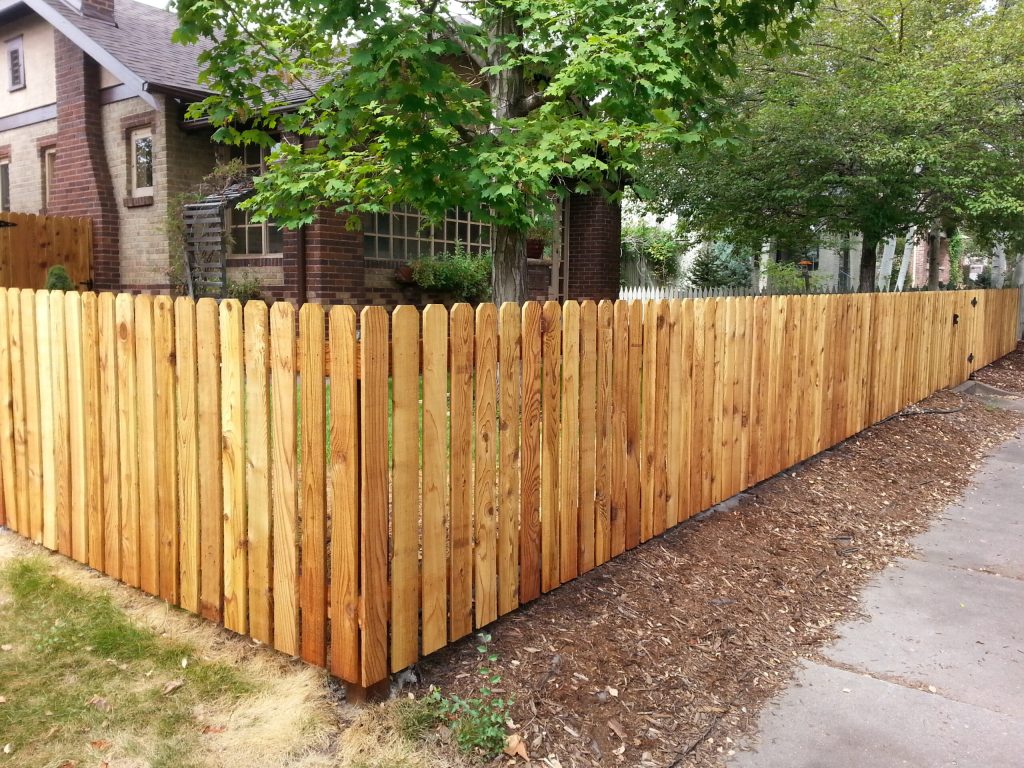
    Wood Fencing

    fence installation in Denver

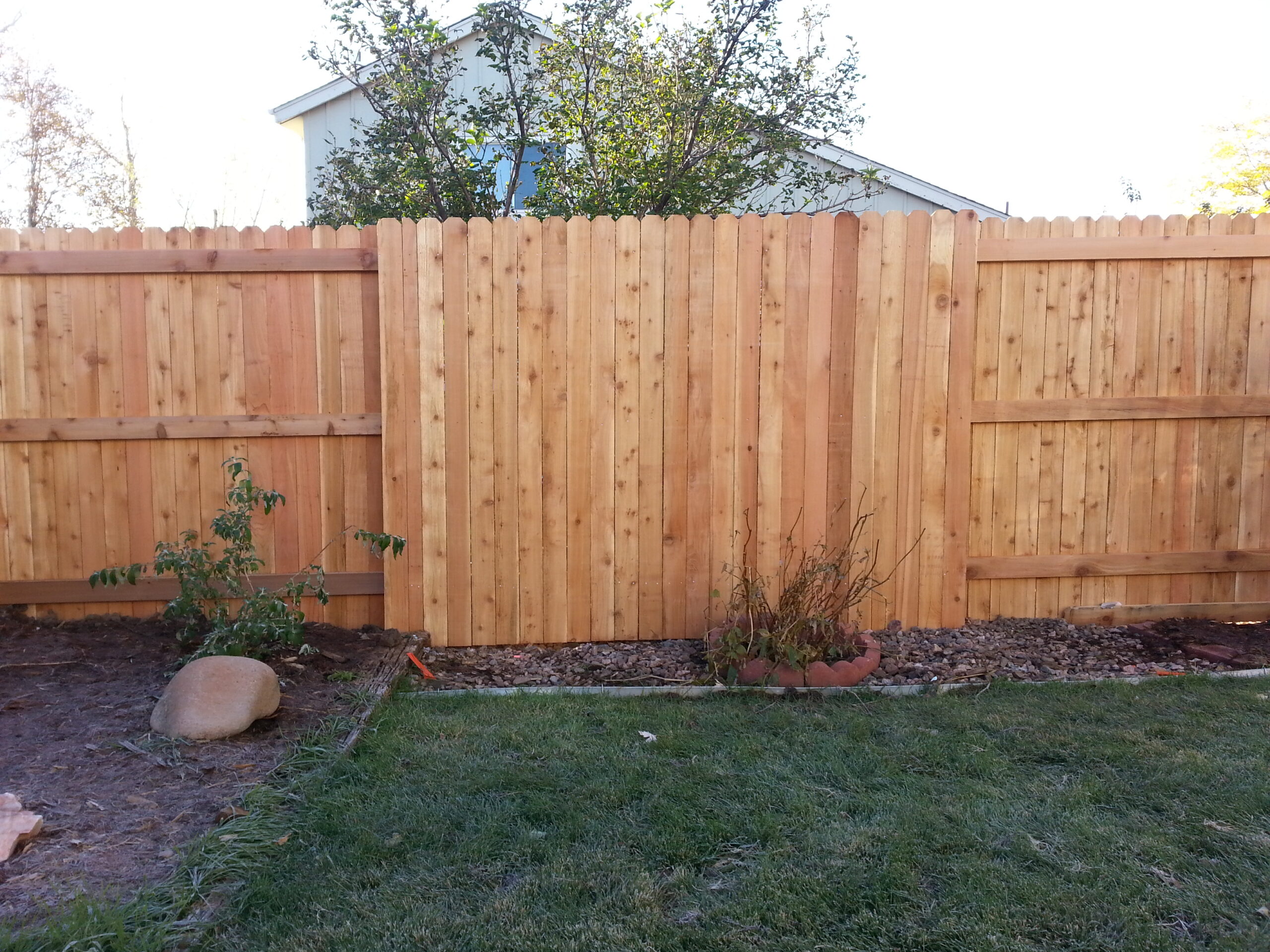
    Wood fencing is one of the most popular choices for residential properties. It offers a natural, classic look and can be built in many styles, from privacy fences to picket fences and custom designs.

    Wood is a great option for homeowners who want warmth, character, and flexibility. It can be stained or painted to match the property and can provide strong privacy when built with solid boards.

    However, wood does require maintenance. Over time, it may need staining, sealing, repairs, or replacement boards due to weather exposure. For many customers planning fence installation in Denver, wood remains a strong choice because it is attractive, versatile, and familiar.

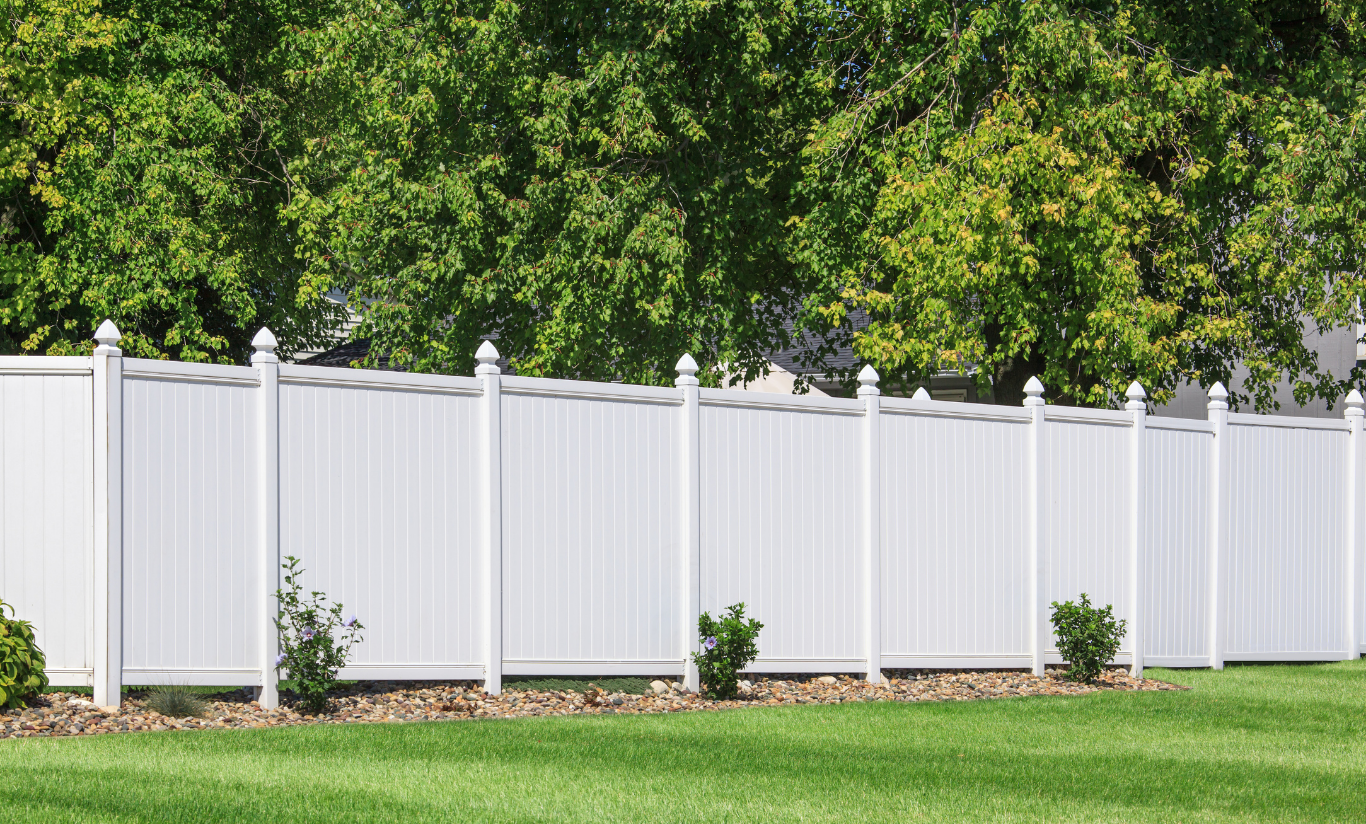
    Vinyl Fencing

    fence installation in Denver

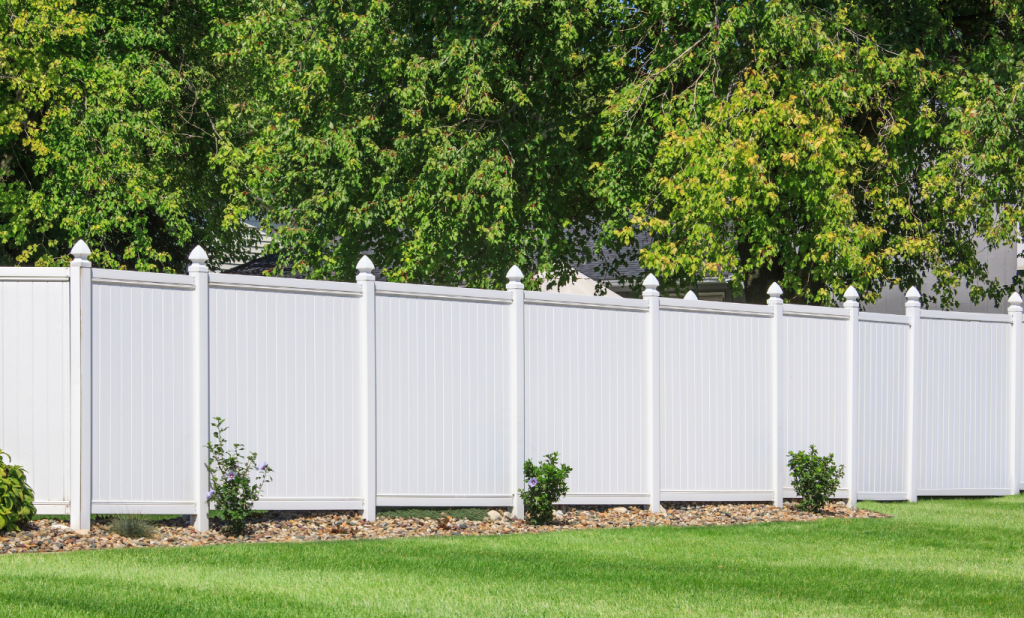
    Vinyl fencing is a good option for customers who want a clean look with less maintenance. It does not need to be painted or stained, and it is available in a variety of colors, heights, and styles.

    Vinyl can be used for privacy fencing, decorative fencing, and residential boundaries. It is especially appealing for homeowners who want a polished appearance without the regular upkeep that wood may require.

    While vinyl can offer long-term convenience, it has a different appearance than real wood. Customers considering fence installation in Denver should compare both options in person when possible to decide which look best fits their property.

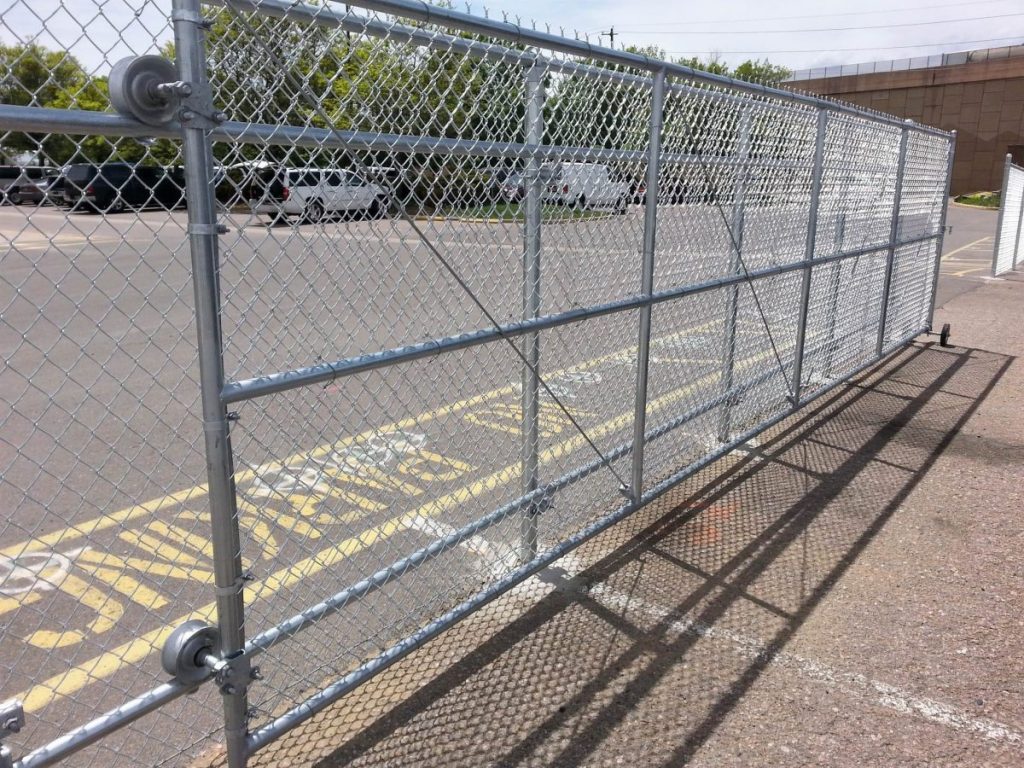
    Chain Link Fencing

    fence installation in Denver

    Chain link fencing is practical, durable, and cost-effective. It is often used for backyards, pet areas, commercial properties, playgrounds, and large boundaries where visibility and function are important.

    Chain link may not provide the same privacy as wood or vinyl, but it can be upgraded with privacy slats or paired with landscaping to improve appearance and coverage. It is also a strong option when the main goals are containment, affordability, and security.

    For customers who need fence installation in Denver on a larger property or commercial site, chain link fencing can be a dependable and budget-conscious solution.

    Iron Fencing

    Iron fencing provides a strong, decorative look that works well for security and curb appeal. It is often chosen for front yards, entryways, pools, commercial properties, and areas where visibility is still desired.

    Iron fences can create an elegant appearance while helping define a property boundary. They are also durable, but they do require maintenance to help prevent rust and preserve their finish over time.

    For homeowners and businesses planning fence installation in Denver, iron fencing can be a good fit when appearance, strength, and visibility are all important.

    Professional Installation Matters

    A fence is only as good as its installation. Proper measurements, level posts, secure gates, and careful layout all affect how well the fence performs over time.

    Professional installation can help prevent common problems like uneven fence lines, weak posts, poor gate function, and placement issues. It also helps ensure the fence is built with the property conditions in mind, including slopes, sidewalks, landscaping, driveways, and existing structures.

    When choosing a contractor for fence installation in Denver, look for experience, product knowledge, and a team that understands local fencing needs.

    Reach Out to Boundary Fence for Your New Fence

    Choosing the right fence does not have to be overwhelming. Boundary Fence can help you compare materials, understand your options, and select a fence that fits your property and goals.

    If you are ready to start planning fence installation in Denver, contact Boundary Fence today!

  • Fence Regulations in Colorado: What Property Owners Should Know

    Fence Regulations in Colorado: What Property Owners Should Know

    Understanding fence regulations in Colorado is an important first step before installing, replacing, or repairing. Whether you own a home, business, rental property, or commercial site, local rules can affect fence height, placement, materials, permits, and property line requirements. Reviewing these details before installation can help prevent delays, extra costs, neighbor disputes, or compliance issues.

    At Boundary Fence and Supply Company, we help customers throughout the Denver area plan residential, commercial, and industrial fence projects. While exact requirements can vary by city, county, neighborhood, and property type, there are several common areas property owners should understand before getting started.

    Why Rules Matter

    Regulations are designed to keep properties safe, accessible, and consistent with local zoning standards. A fence can affect visibility near streets and driveways, access to sidewalks, drainage, easements, utilities, and neighboring properties. Even a simple backyard fence may need to follow specific rules depending on where it is placed.

    Because fence regulations in Colorado are often handled at the local level, the rules in one community may not match the rules in another. A fence that works for one property may need adjustments on another, especially if the site is located on a corner lot, near an alley, or within a homeowners association.

    Common Requirements to Review

    Before starting a fence project, property owners should check the requirements that apply to their specific address. Since fence regulations in Colorado can vary by city, county, neighborhood, and HOA, local zoning offices, building departments, and community guidelines may all affect the final design.

    fence regulations in Colorado

    Important items to review include:

    • Height: Front yard, side yard, and backyard fences may have different height limits.
    • Setbacks: Some areas require them to be placed away from sidewalks, streets, or property lines.
    • Materials: Certain neighborhoods or districts may restrict specific materials or styles.
    • Visibility: Corner lots and driveways may have sightline rules for traffic and pedestrian safety.
    • Permits: Some projects may require approval before installation begins.

    Checking these details early can make the planning process smoother and help ensure the fence is designed correctly from the start.

    Property Lines and Neighbor Considerations

    One of the most important parts of understanding fence regulations in Colorado is knowing where your property lines are. Installing a fence too close to or over a property line can create disagreements with neighbors and may require changes later.

    If the property line is unclear, it may be helpful to review a survey or contact a professional surveyor before installation. This is especially important for older properties, shared boundaries, alley access, or lots where an existing fence may not follow the legal boundary.

    Good communication can also help. If the installation will happen along a shared property line, letting neighbors know about the project ahead of time can reduce confusion and keep the process more cooperative.

    HOA and Community Guidelines

    For homeowners in managed communities, HOA rules can be just as important as city or county requirements. An HOA may have guidelines for fence height, color, material, style, gate placement, and overall appearance. Some associations require written approval before any work begins.

    Because fence regulations in Colorado can include both municipal rules and HOA standards, property owners should review both before choosing materials or scheduling installation. A fence may meet local code but still need HOA approval before it can be built.

    Why Working With a Fence Professional Helps

    The best fence projects begin with clear information. Before installing a new fence, review local requirements, check HOA guidelines if they apply, confirm property lines, and think carefully about how the fence will be used. Understanding fence regulations in Colorado can help you avoid problems and move forward with more confidence.

    We have served the Denver area since 1973 with fence installation, material sales, repairs, and custom fencing options. Our team can help homeowners and business owners plan fences that are practical, attractive, and appropriate for the property.

  • Wood Fence Waterproofing: How to Protect Your Fence From Moisture

    Wood Fence Waterproofing: How to Protect Your Fence From Moisture

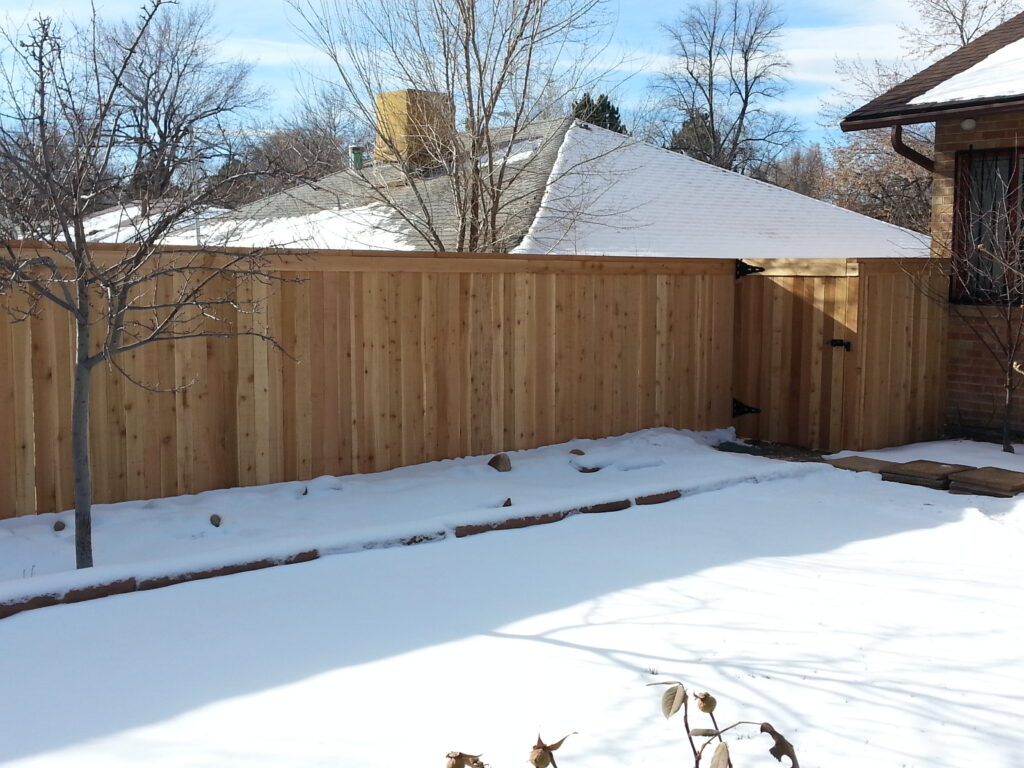
    Wood fence waterproofing is one of the best ways to protect a privacy structure from rain, snow, sun exposure, and outdoor wear. Even quality wood can become gray, dry, warped, or weakened after years outside. Without the right protection, moisture can soak in and increase the risk of rot, mildew, cracking, and repairs.

    At Boundary Fence and Supply Company, wood fencing is popular for Colorado homes and businesses because it offers privacy, warmth, and a natural look. With regular maintenance and the right finish, your outdoor structure can stay attractive through changing weather.

    Why Waterproofing Matters for Wood

    wood fence waterproofing

    Wood is naturally porous, which means it can absorb moisture if it is untreated or if the existing finish has worn away. Repeated exposure to water can weaken boards, cause discoloration, and create conditions where rot or insects are more likely to become a problem.

    Wood fence waterproofing helps create a protective barrier between the material and the elements. This barrier can reduce water absorption and help preserve the structure and appearance of the boards. It is helpful before wet seasons, winter weather, or strong sun.

    Start With a Clean Surface

    Before applying any wood fence waterproofing product, the surface should be clean and dry. Dirt, mildew, residue, and loose debris can prevent sealers, stains, or paints from bonding properly. A cleaning solution made for exterior wood can help remove buildup and prepare the boards.

    If there is peeling paint, damaged stain, rough boards, or loose pieces, those areas should be repaired before finishing. Skipping prep work can lead to uneven coverage and a shorter-lasting result.

    Choosing a Waterproofing Option

    There are several ways to protect your fence, and the right choice depends on the look you want, the age of the material, and the condition of the boards. Wood fence waterproofing products come in different finishes, from clear sealers to solid-color coatings.

    Common options include:

    • Clear sealant to protect the wood while keeping the natural grain visible
    • Tinted sealant or stain to add color while still showing some texture
    • Exterior paint for a solid color finish when the surface is properly primed
    • Wax-based products that may help repel moisture on some surfaces

    Choose products made for exterior wood. If painting, a quality primer can help the paint last longer and improve moisture resistance.

    Simple Habits That Help Prevent Damage

    Wood fence waterproofing is important, but everyday maintenance also plays a major role in protecting your investment. Moisture damage often starts in overlooked areas, especially near the base or around gates.

    Helpful maintenance steps include:

    1. Keep sprinklers from spraying directly on the boards.
    2. Remove leaves, weeds, and debris from the base.
    3. Check for peeling paint, worn stain, or exposed wood.
    4. Trim plants that trap moisture against the surface.

    These steps can help the structure stay drier and stronger over time.

    When to Reapply Protection

    There is no single schedule that works for every property. Weather exposure, sun, moisture, wood type, and the product used can all affect how often protection needs to be reapplied. A structure in full sun or heavy moisture may need attention sooner than one in a protected area.

    Inspect the surface regularly. If water no longer beads, the color looks faded, or the wood feels dry and exposed, it may be time to clean and reapply a protective finish. Wood fence waterproofing is most effective when treated as ongoing maintenance.

    Protecting the Look and Life of Your Fence

    A wood privacy barrier adds character, function, and value to a property, but it needs proper care to stay in good condition. Wood fence waterproofing, regular inspections, and basic maintenance can help prevent moisture damage and extend the life of the structure.

    Boundary Fence and Supply Company brings decades of local experience to wood fencing projects, from material selection to installation and repair, helping property owners protect their investment with solutions built for long-term use.