
Before installing, replacing, or modifying a fence in Denver, homeowners should understand the local requirements that may affect the project. Denver residential fence rules can vary depending on fence height, property location, yard placement, visibility, historic status, and whether the fence is near a right-of-way.
Boundary Fence helps homeowners plan residential fencing projects with these requirements in mind. While the City and County of Denver should always be used as the final authority, this guide explains the main Denver residential fence rules to review before installation begins.
Fence Height Limits in Denver
Fence height is one of the most important parts of Denver residential fence rules. According to the City and County of Denver, the maximum fence height is generally 7 feet within the setback and 10 feet outside of the setback, except for industrial areas or special circumstances.
This means a tall privacy fence may be appropriate for a backyard, but the same height may not be allowed in a front yard. Homeowners should confirm where the front yard, side yard, and backyard are defined on their specific property before choosing fence height.
When Permits May Be Required
Denver residential fence rules may require zoning review or permits depending on the fence’s height, location, and site conditions. A permit may be needed for taller fences, retaining walls, over-height fences, fences in special review areas, or fences that affect visibility near streets, alleys, driveways, and corners.
Permit requirements can also apply when the fence is part of a larger construction project or when the work involves a wall, retaining wall, or site change. Homeowners should verify current permit requirements before materials are ordered or installation begins.
Front Yard Fence Requirements
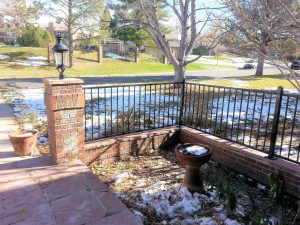
Front yard fence requirements are typically more restrictive than backyard requirements. Denver residential fence rules generally limit front yard fences to 4 feet in height. These limits help protect visibility, neighborhood consistency, and public safety near sidewalks and streets.
For properties in historic districts or landmark areas, additional standards may apply. In some landmark review situations, front yard fences may need to meet openness requirements and may not be allowed to use certain materials.
Backyard Fence Requirements
Backyard fences are often allowed to be taller than front yard fences. Under many Denver residential fence rules, backyard fences may be up to 6 feet tall. This is why privacy fences are most commonly installed in backyards and side yards rather than along the front of a property.
However, homeowners should still check for special conditions. Corner lots, alley access, easements, retaining walls, landmark districts, and grade changes can all affect what is allowed.
Historic District and Landmark Review
Homes located in Denver historic districts or designated landmark properties may have additional fence review requirements. Denver Landmark Preservation may review fence height, material, openness, placement, and how the fence affects the historic character of the property.
Denver residential fence rules for landmark properties can be more specific than standard zoning rules. Homeowners in these areas should confirm requirements before removing an existing fence or installing a new one.
Property Lines, Easements, and Right-of-Way
Before installing a fence, homeowners should confirm the property line and check for easements or right-of-way issues. A fence placed over a property line, into an easement, or too close to a public area may need to be moved later.
Visibility is also important. Denver residential fence rules may restrict fences that block sightlines near intersections, alleys, driveways, and corner lots. These rules are intended to keep drivers, pedestrians, and cyclists safer.
Fence Maintenance and Code Compliance
Residential fences should be maintained in safe condition. Damaged posts, leaning sections, broken panels, unstable materials, or unsafe construction can create code concerns. Keeping a fence in good repair helps protect the property and reduces the chance of complaints or enforcement issues.
Call Boundary Fence Before You Build
Understanding Denver residential fence rules before your project starts can help you avoid delays, corrections, and unnecessary costs. Boundary Fence can help you plan a residential fence that fits your property while keeping local rules and permit requirements in mind.
Planning a new fence in Denver? Contact Boundary Fence today to request a free estimate.